



Meet the Artists
Cameo Fucci
Chef and Founder of Allora Pasta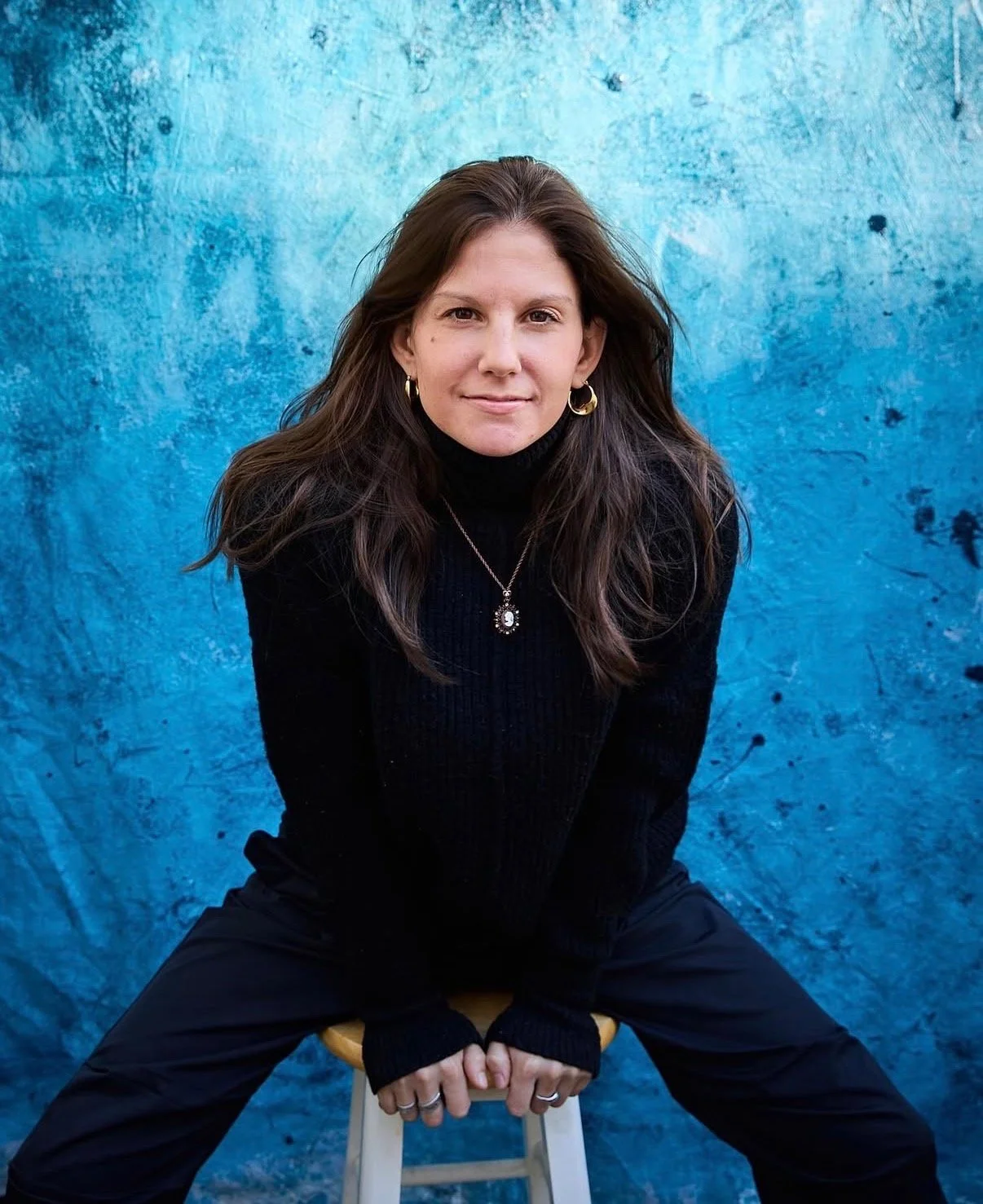
Cameo Fucci is the founder of Allora Pasta Co., a woman-owned business based in Brooklyn that creates connection through pasta-making workshops and pasta-forward dinners. Growing up in an Italian-American household, food was her earliest creative and social language. She began cooking professionally in 2014 at a small Portuguese café in San Francisco and has since worked across kitchens in Maine, Boston, Italy, and New York City, with pop-ups extending to Denver, Los Angeles, Osaka, and Tokyo. Over time, cooking became not only her craft, but her way of building memory, intimacy, and community.
The table Cameo is creating for The Living Room is a kind of autobiography. The dishes trace her path from San Francisco to coastal Maine, Boston, Umbria, and Brooklyn, carrying the places, people, and practices that have shaped her. Rooted in seasonal produce, hand-crafted pasta, and a farm-to-table ethos, her work reflects the constant reinvention that cooking asks of a person. Through this meal, Cameo hopes to invite guests to slow down, gather around something made by hand, and feel how food can become a language for memory, care, and connection.

Kenny Lartey
Filmmaker and DJ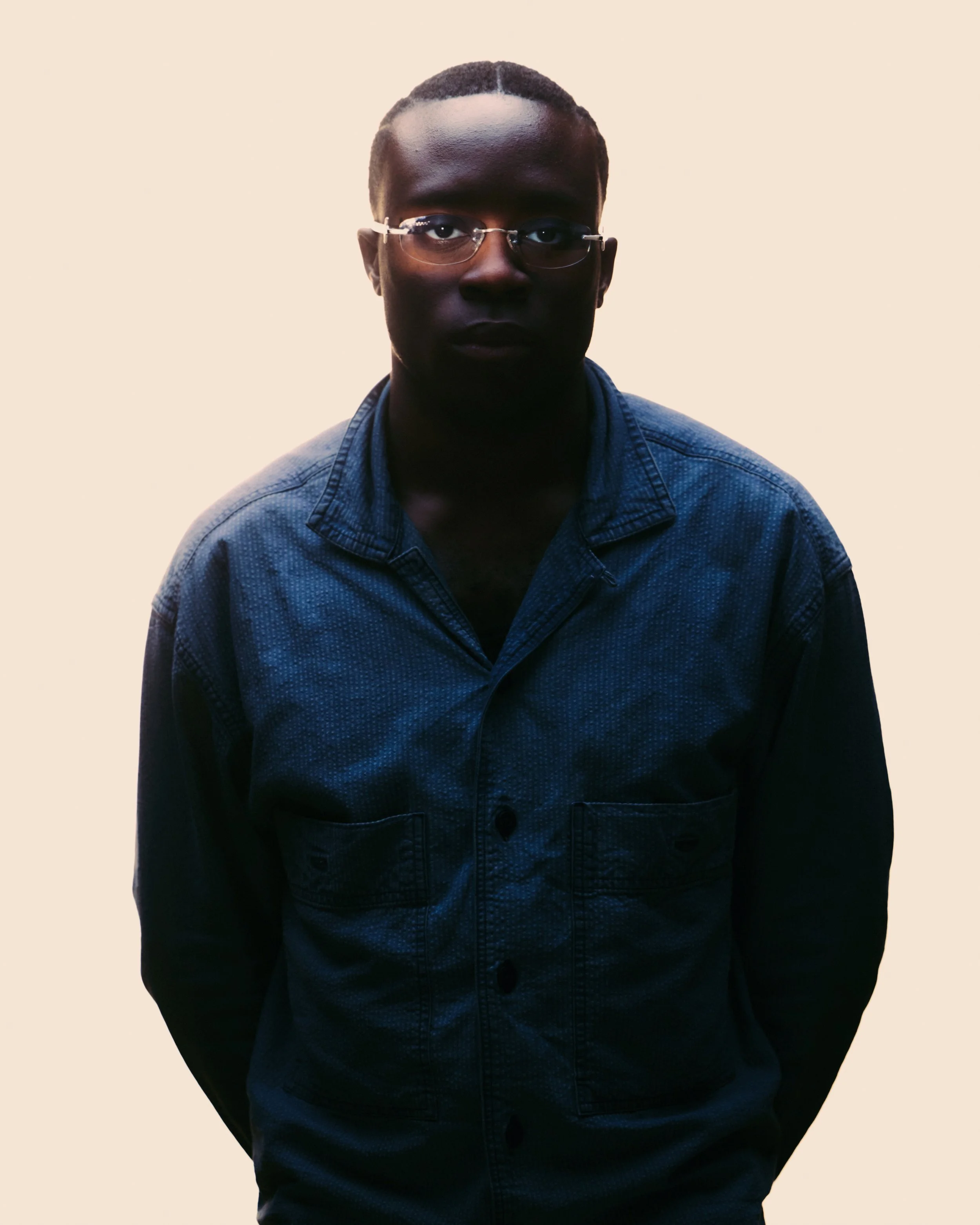
Kenny Lartey is a filmmaker drawn to the immersive power of visual storytelling. His love of film began in childhood, when he would sit close to the television, fully absorbed by the worlds unfolding on screen. That early fascination continued to evolve in New York City, where the energy and overlapping lives of the city became central to his creative vision. His work blends narrative, technology, music, and visual experimentation in pursuit of films that feel alive and layered.
Kenny’s short film Amen Break captures the beauty and collision of voices that shaped his early experience in New York. Set primarily in a jazz lounge on the Lower East Side, the film follows overlapping conversations and shifting perspectives, resisting a single clean-cut protagonist in favor of a more collective, atmospheric experience. For Kenny, the piece is about breaking convention: allowing viewers to sit inside a feeling rather than be told exactly what to think. He hopes guests experience the film as something textured and emotionally resonant.
Hazel Delehey
Indie-Folk Musician
Hazel Mae is a singer-songwriter from Camden, Maine. She began playing guitar at six years old and grew up writing songs with her dad in their garage, a simple father-daughter ritual that became the beginning of her life in music. Since then, performing has become one of the most grounding parts of who she is: a way of returning to herself, staying close to what she loves, and making sense of the world through melody, lyric, and voice.
The songs Hazel will share at The Living Room move with the quiet tension of finding her way through small-town heartbreak and the uncertainty of what comes next. There’s a gentle push and pull in her music: between holding on and letting go, between longing and acceptance. Her work carries the tenderness of becoming: the ache of leaving, the warmth of remembering, and the unexpected comfort in knowing that uncertainty is something we all carry. Through her music, Hazel hopes to offer guests a space to breathe: a moment of honesty and shared recognition that uncertainty is a human certainty.
Lexie Conley
Dancer and Choreographer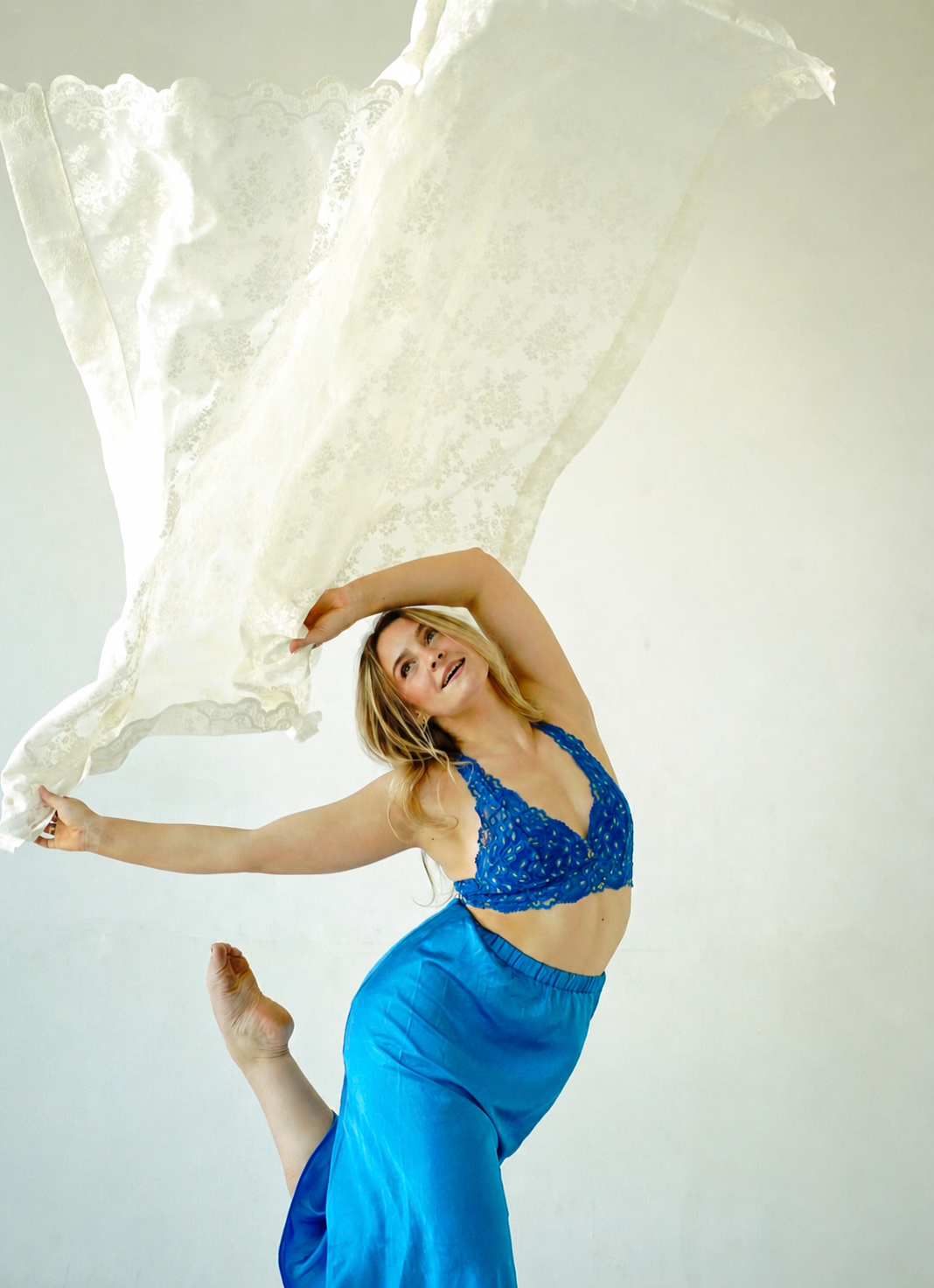
Lexie Conoley is a New York City–based dancer and choreographer whose work is shaped by the eccentricity and spontaneity of jazz, as well as the structure and discipline of Horton, ballet, and other contemporary forms. She has performed works by artists including Jiří Kylián, Robert Battle, Kate Weare, and Rena Butler, with experience across both live performance and screen. As an artist, Lexie is drawn to movement that holds both physical rigor and emotional honesty, allowing discipline and feeling to exist in the same breath.
For Lexie, dance is a way of expressing what often lives beneath language: tension, memory, longing, resistance, release. The piece she will share at The Living Room uses the body as a site of truth, exploring how identity is carried, questioned, protected, and transformed through movement. Her work invites guests to witness vulnerability not as softness alone, but as strength, precision, and presence. Through performance, Lexie hopes to offer a physical reflection of what it means to move through change and remain connected to oneself.
Julia Beery
Writer and Landscape Architect 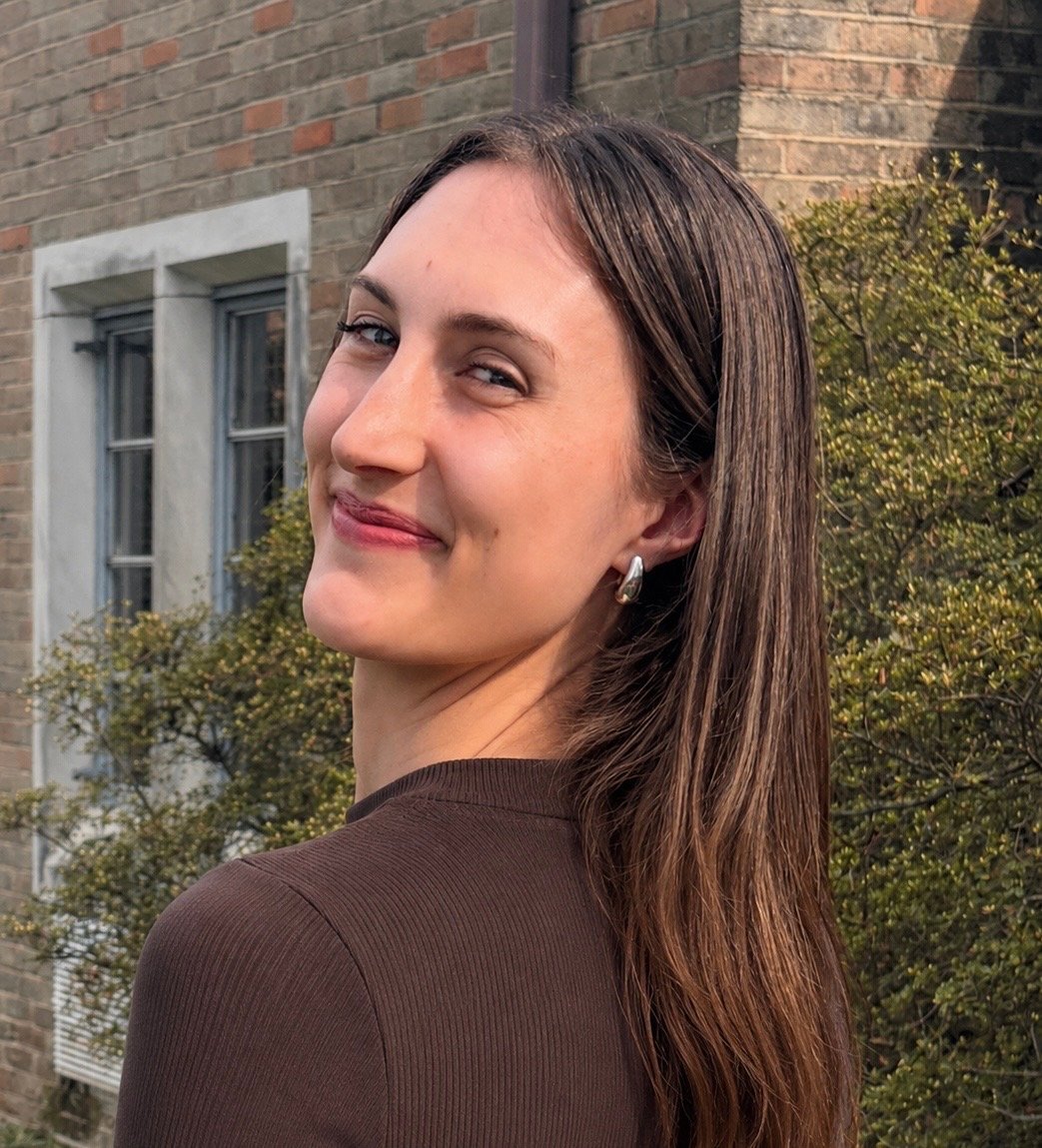
Julia Beery is a writer whose love of language began early, first through childhood journals, locked notebooks, and letters written home from summer camp. Her relationship to writing deepened in high school, where English and history teachers encouraged her voice and helped her understand writing as a way to think, feel, and communicate more clearly. She continued writing through college journalism, study abroad blogging, personal essays, and reflections written during time in Maine. For Julia, writing has always been a way of making meaning: of gathering thoughts, asking questions, and turning private feeling into something that can be shared.
The piece Julia is writing for The Living Room reflects on identity, becoming, and the questions that come with trying to understand who we are, who we have been, and who we are still becoming. For her, the theme feels especially alive in this stage of life, when so much feels open, uncertain, and in motion. She hopes the piece can act as both a window and a mirror: offering guests a glimpse into her own thoughts while leaving space for them to find their own small grain of truth inside it. Through writing, Julia hopes to create a moment of recognition, reflection, and shared humanness.